
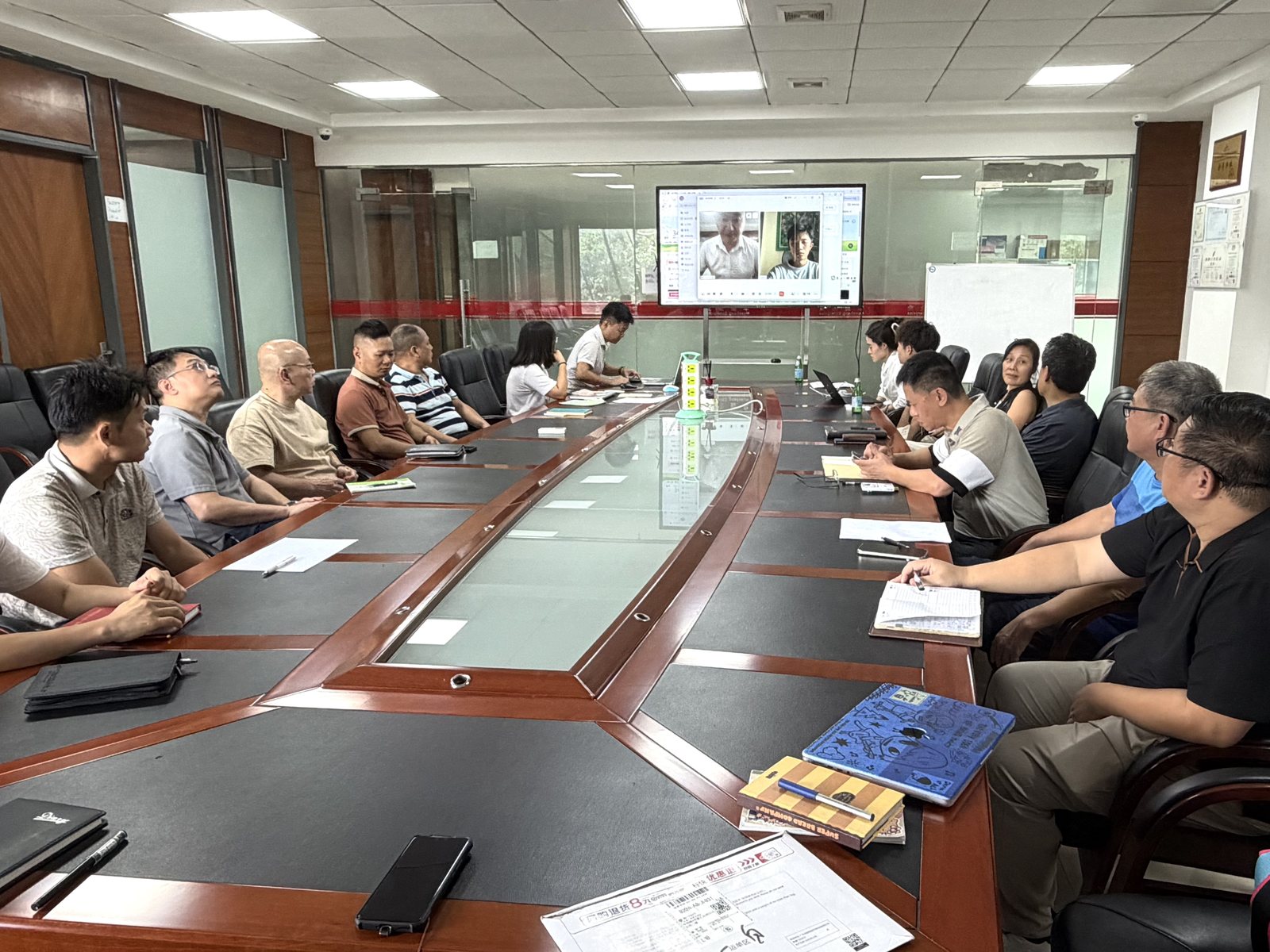
Meeting Snapshot
Customers give requirements, and the team studies each project. Staff organize materials, prepare quotations, improve solutions and present products. They keep communication open during delivery. AI tools help make these steps faster, more accurate and clearer. People remain responsible for the work.
Core Direction: Bring AI into Real Work
At the opening, Chairman Liang Mingzhong set the direction: learning and applying AI is both the root and direction for a traditional enterprise's continued development. For Huasheng, the root is accumulated manufacturing capability, project experience, and customer service. The direction is to bring AI into actual workflows.
Global Trends in Frontier AI Applications
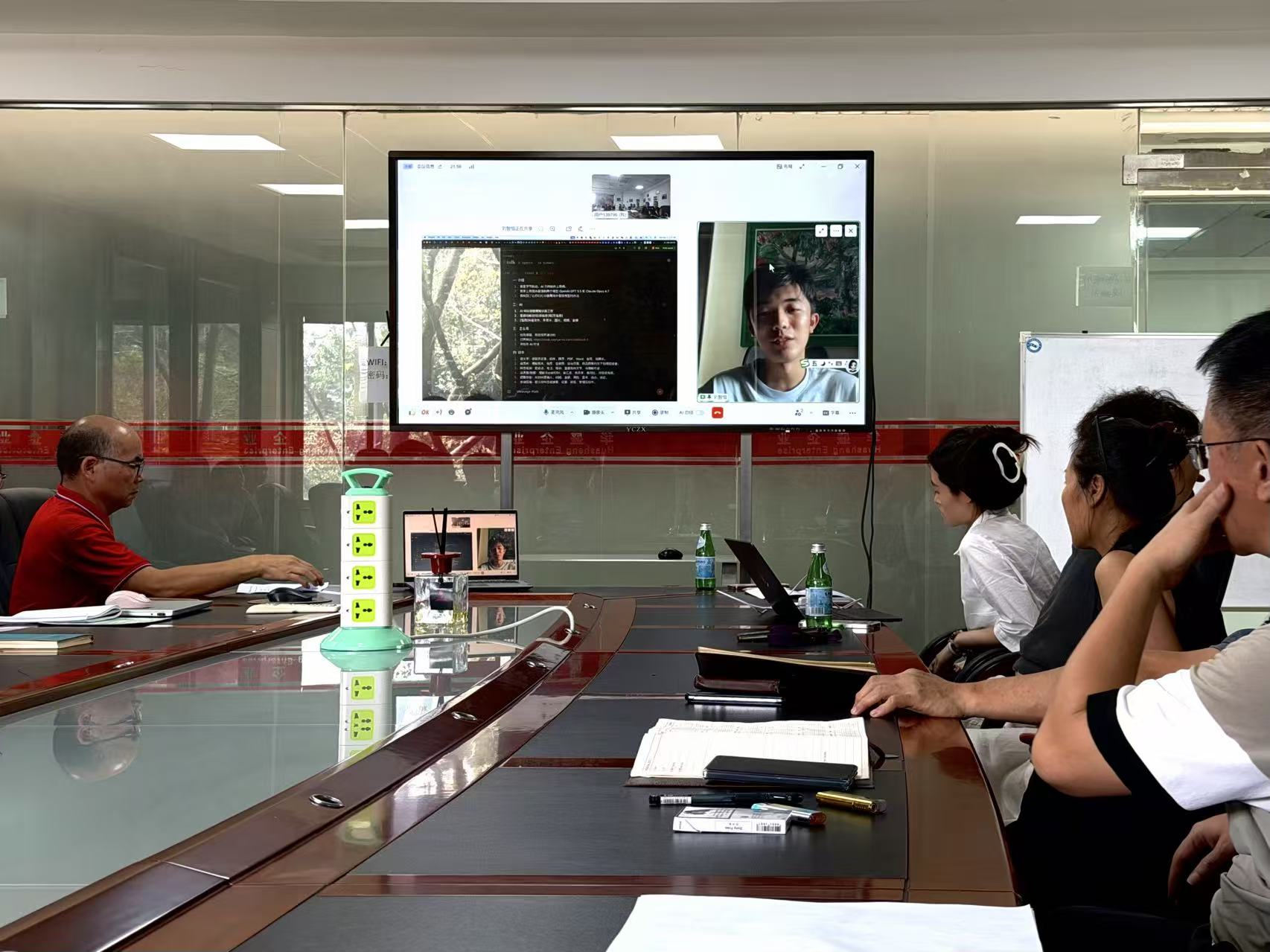
Liu Zhiheng joined remotely from Singapore. He introduced current AI models, software applications and industry trends. The team must identify tasks that take time and steps where information becomes unclear. Staff can then decide which steps AI can support.
AI Tools: Practical Performance and Real Use
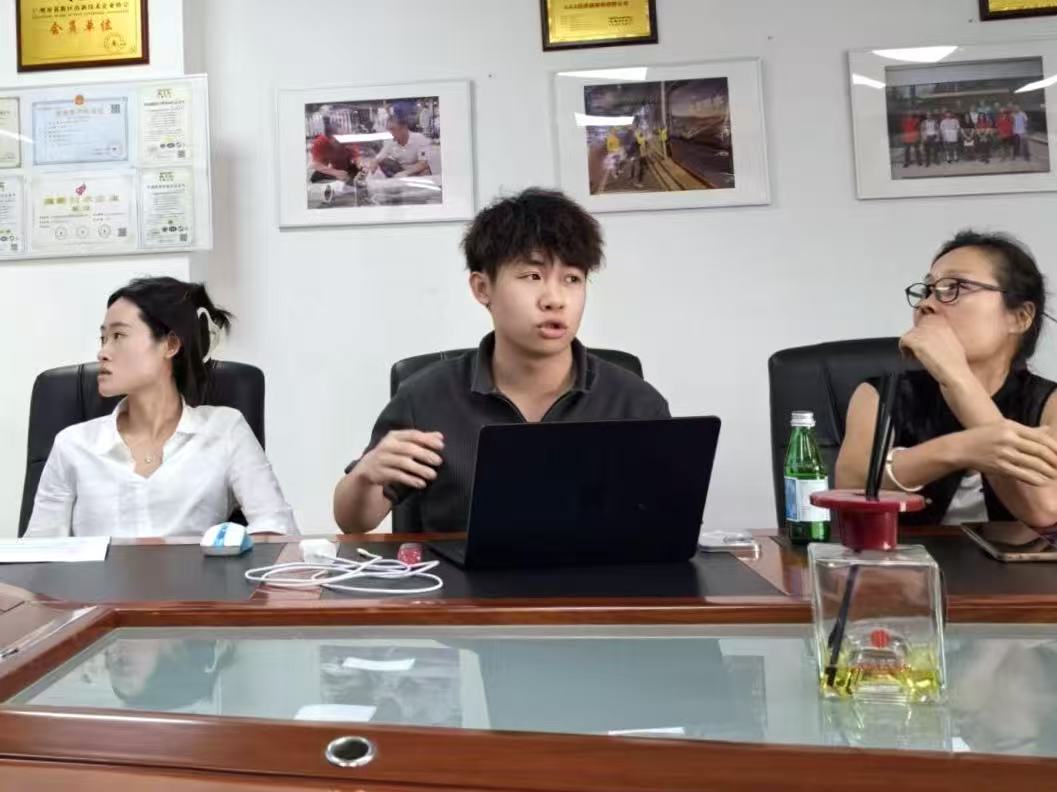
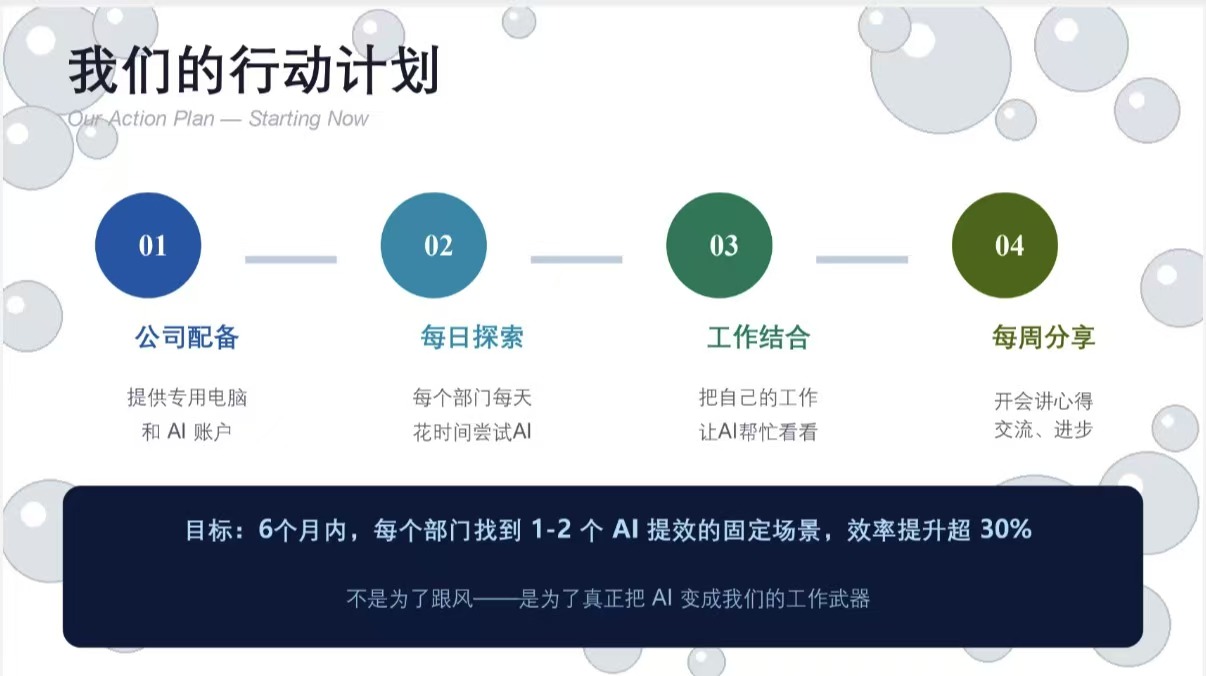
Liang Yiheng explained AI functions, models, methods and limitations through presentation slides and product examples. He proposed a 30% efficiency improvement within six months. AI can support material organization, product presentations, image processing and quotation preparation. People must review and correct the results.
But people who use AI will replace people who do not.
Cognition-Driven: Turning AI into a Creative Partner
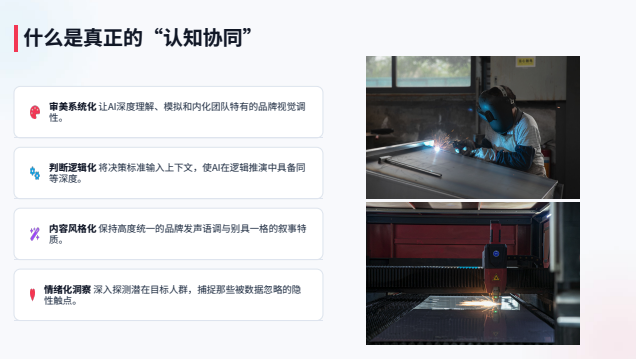
Liang Siyan noted that AI can help write copy, polish content, and process images, but more importantly, it can become a second perspective for people. Content work in the AI era requires systematic aesthetics, logical judgment, consistent style, and an understanding of audience needs.
Practical Demo: AI in Huasheng Workflows
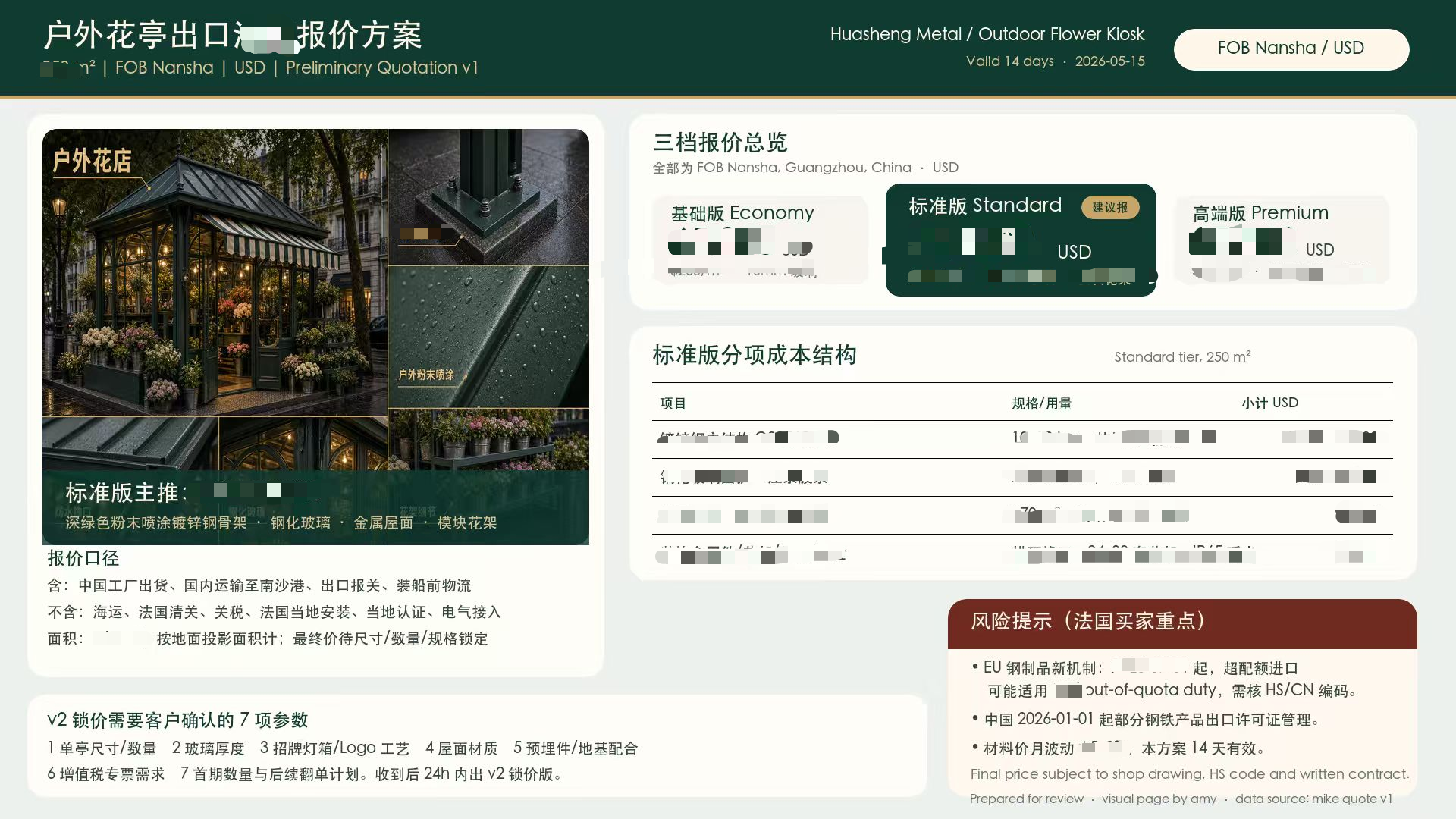
The case that triggered the most discussion was a bus stop shelter quotation project shared by Manager Yuan Jiaoli. She showed how AI supports material organization, quotation logic, visual output, and customer communication. A quotation is never just numbers. It includes requirement understanding, solution structure, cost logic, image expression, and customer communication.
Follow-Up Implementation: Optimizing Workflows with AI
Huang Hengguang supplemented AI application experience across legal work, copywriting, commercial quotation plans, and technical proposal preparation. Zhu Tengfei explained the sorting, classification, and daily operation of work WeChat groups. The focus is not simply creating groups, but making meeting outcomes continuously actionable.
Upgrade Brand Capability through Action
General Manager Zhong asked staff to use AI tools for quotations, solution design and customer service. General Manager Jia discussed questions and suggestions for AI learning and implementation. The aim is to make these tools available across the team.
For long-term customers, Huasheng's AI initiative is not about creating a new concept. It is about faster response, clearer quotation logic, more professional solution presentation, and smoother communication and collaboration.